
Più Valore ai Vostri Progetti
La QUALITÀ del nostro lavoro nasce da una ricetta perfetta:
passione e rigore sapientemente mixati
per ottenere SERVIZI DI VALORE.
Approfondisci
Servizi

Supporto al RUP e Committenza ausiliaria
L'attività di supporto al RUP e il ruolo di Committenza ausiliaria vengono generalmente svolte da un soggetto terzo e indipendente, attraverso la supervisione e verifica di tutti le fasi del processo di realizzazione dell’opera. Nell’ambito degli Appalti Pubblici CONTECO è chiamata a svolgere attività di supporto al RUP nelle fasi di programmazione, progettazione, affidamento, esecuzione e monitoraggio dell’opera realizzata.
I servizi previsti sono:
Verifica della Progettazione
La verifica di un progetto richiede una struttura tecnica multidisciplinare ed interdisciplinare qualificata, composta da ingegneri, architetti e da specialisti in materie finanziarie e giuridiche di elevata esperienza e profilo tecnico.

BIM & Model Checking
Al fine di aumentare qualità, economicità, affidabilità alla progettazione, realizzazione e gestione dell’opera, la risposta più appropriata è rappresentata dall’utilizzo di strumenti e metodologie di controllo innovative.

Verifica della Fattibilità
Per ottenere il massimo dei benefici in termini di prevenzione dei rischi occorre un’analisi corretta e completa della fattibilità dell’intervento.

Alta Sorveglianza e Controllo in corso d'opera
La garanzia fornita a livello progettuale va integrata da un'attività di Alta Sorveglianza, Monitoraggio e Controllo Tecnico in corso d'opera.

Supporto tecnico legale
Per garantire un supporto completo alla decisione è necessario integrare agli aspetti tecnici anche quelli tecnico-legali ed economico-finanziari.
Ci rivolgiamo a
Pubblica Amministrazione ed Enti
CONTECO Check offre una pluralità di servizi in grado di supportare la Stazione Appaltante e il RUP nella pianificazione, programmazione e gestione di tutti i processi che caratterizzano la realizzazione di un’opera pubblica.
ApprofondisciGeneral Contractor, Imprese e Concessionari
CONTECO Check svolge, come soggetto unico, le attività di Verifica e Gestione dei Rischi, garantendo un efficace collegamento e coordinamento dei diversi attori interessati evitando inutili e dispendiose duplicazioni di figure.
ApprofondisciIstituti di Credito e Assicurazioni
A garanzia della bancabilità e del monitoraggio dei rischi tecnici, economici e finanziari, CONTECO Check offre assistenza specialistica attraverso l’elaborazione di Due Diligence Tecniche, Urbanistiche, Ambientali, Amministrative e Legali, la revisione dei Business Plan.
ApprofondisciSGR, Fondi, Società di Sviluppo e Gestione Immobiliare
I servizi integrati che CONTECO Check propone rappresentano la migliore risposta alle esigenze delle Società di Sviluppo Immobiliare, Property Companies e Società di Gestione del Risparmio (SGR) specializzate in attività di investimento immobiliare.
ApprofondisciAmbiti di erogazione
Mld€
TOTALE
%
16 Mld €
16 Mld €
EDILIZIA CIVILE
%
25 Mld €
25 Mld €
INFRASTRUTTURE
%
9 Mld €
9 Mld €
EDILIZIA SANITARIA
%
5 Mld €
5 Mld €
ENERGIA, IDRAULICA, AMBIENTE
Referenze

Aeroporto Fiumicino
Roma
Passante di Bologna
Bologna
Distretto ex scalo Ravone
Bologna

Polo Erzelli
Genova
Polo Grugliasco
Torino
Villa Favorita
Ercolano
Ospedale Gaslini
Genova
Ospedale Siracusa
Siracusa

Torino Esposizioni
Torino
Idropolitana Torino
Torino

Traforo Autostradale del Fréjus
Bardonecchia

Ospedale San Cataldo
Taranto
Città della Salute e della Ricerca
Sesto San Giovanni, Milano, Italia
Torre Libeskind
Milano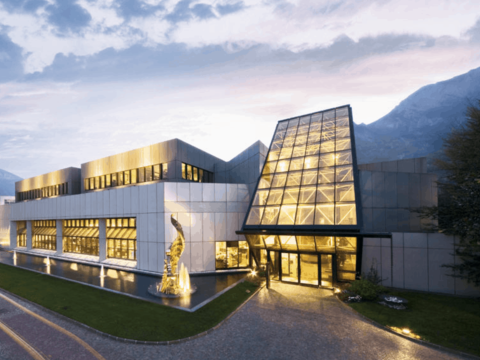
Cantina Ferrari
Trento
Porto di Taranto
Taranto
3° Macrolotto SS106
Cosenza
Ponte San Giorgio
Genova
Metro Copenhagen
Copenhagen
Arena di Verona
Verona
Stadio Al Bayt
Al Khor City, Qatar
Nuovo Ospedale Policlinico
Milano
Fondazione Feltrinelli
Milano
Oltre 1.700 Progetti Verificati Approfondisci